
The science that sparked the molecular glue revolution.
Roughly 80% of pathogenic proteins can’t be modulated by conventional drugs. Some are unstructured. Others are hidden or mutate to resist therapies.
SEED Therapeutics was founded to access that 80% by replacing inhibition with elimination using de novo designed molecular glues that recruit the over 600 E3 ligases to destroy the proteins at the root of disease.
Built by the pioneers of ubiquitin and degradation biology.
This approach was pioneered by our founding team, which includes Nobel Laureate Dr. Avram Hershko (who uncovered the ubiquitin-proteasome system), structural degradation expert Lan Huang (who solved one of the field’s key E3 ligases), Dr. Ning Zheng (who coined “molecular glue”), and Dr. Michele Pagano.


We access the full ligase universe to translate medicines that were never possible before.
What makes RITE3™ different
More than 600 ligases accessible
Most of the field is limited to just cereblon or VHL. SEED’s platform accesses the full known E3 ligase space, selecting the optimal one based on structural compatibility, biological context, and druggability.
De novo glue design
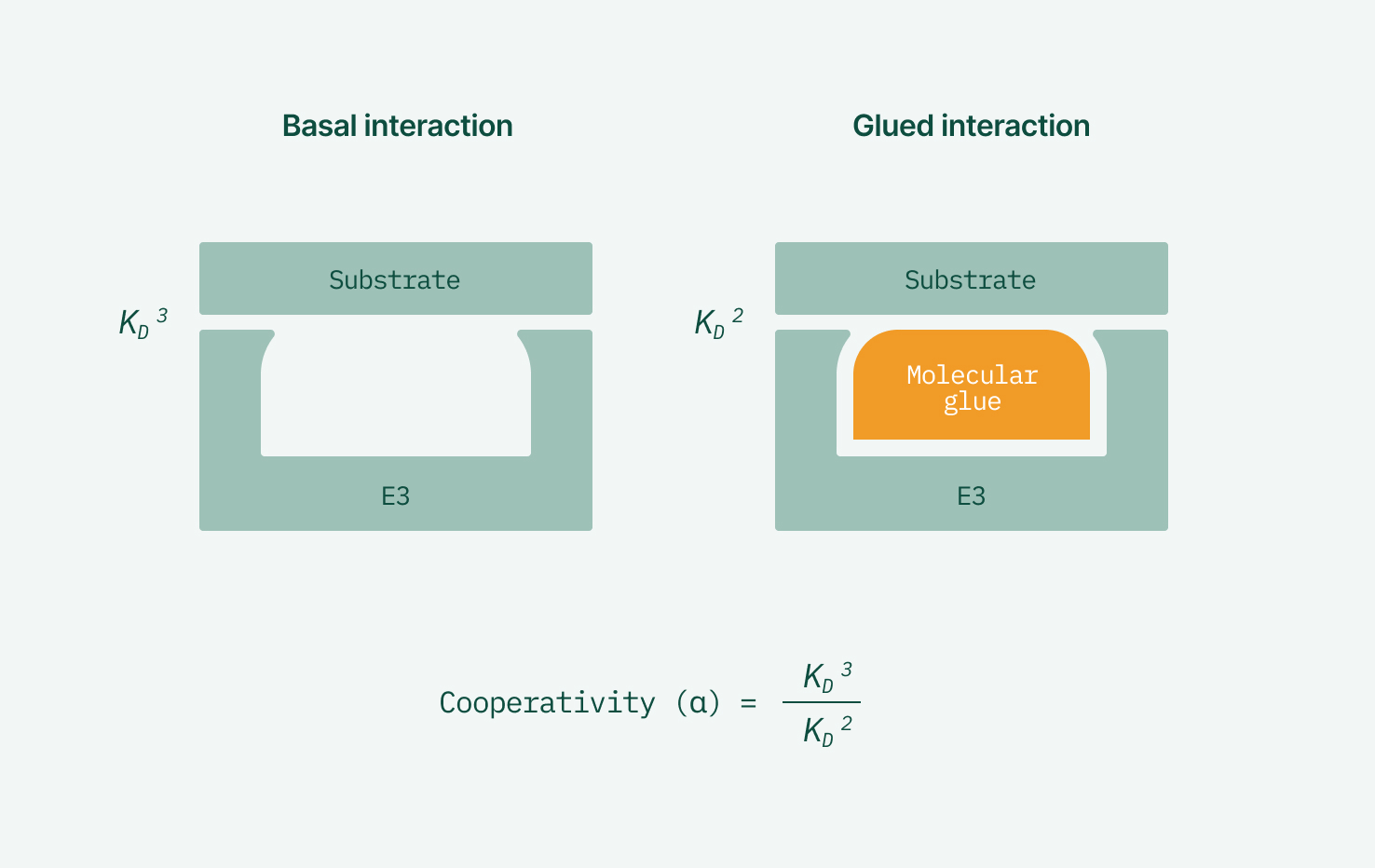
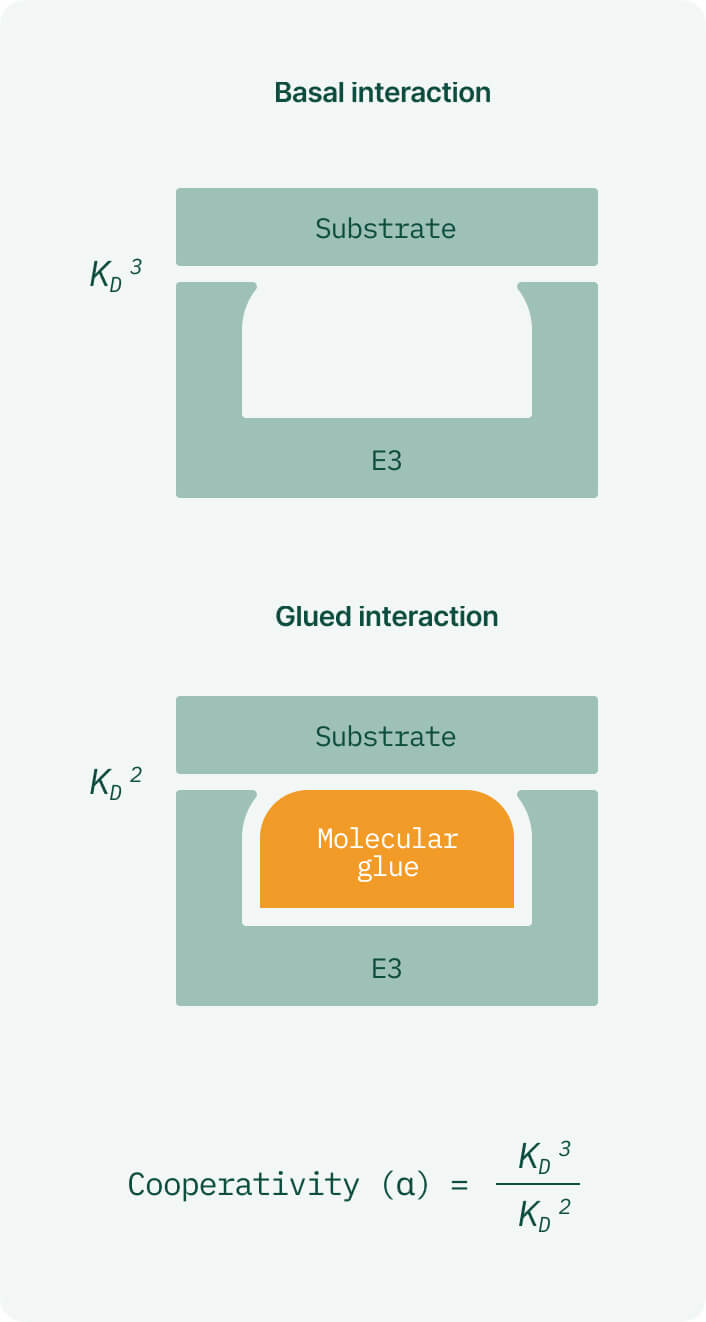
We create molecular glues from scratch to amplify weak protein–protein interactions, overcome natural resistance, and increase target specificity by 100–1000x. Our science is grounded in foundational work by Ning Zheng defining how small molecules can induce and stabilize new protein interactions.
Integrated discovery stack
RITE3™ fuses four key capabilities to enable a high-throughput yet deeply curated discovery pipeline with an >1% hit rate
Quasi-interface analyses
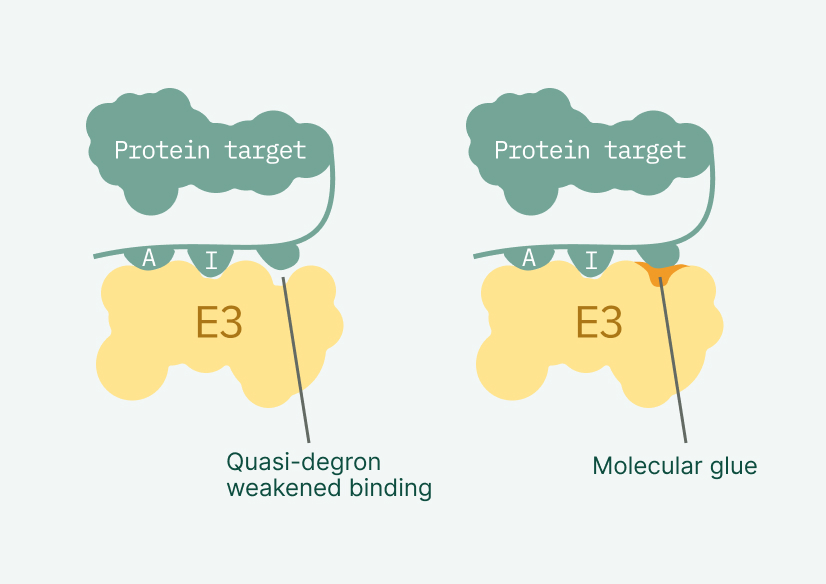
Structural biology: Solving full 3D conformations of ligases and targets
Glue engineering: Molecular modeling and synthesis of glue compounds
LumID: identify the right
E3 near POI in live cell
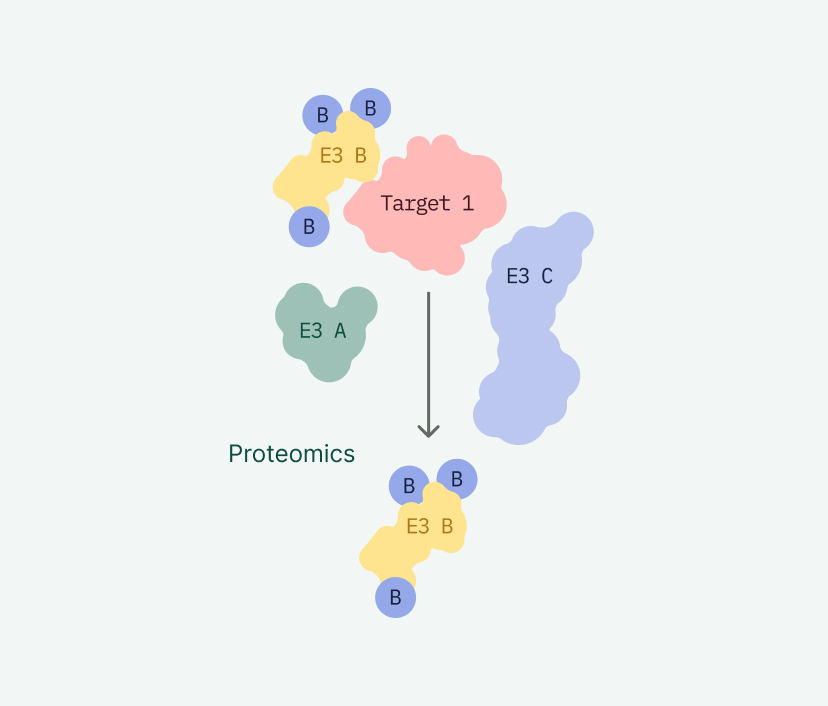
Live-cell assays: Real-time target degradation tracking
Basal affinity validation
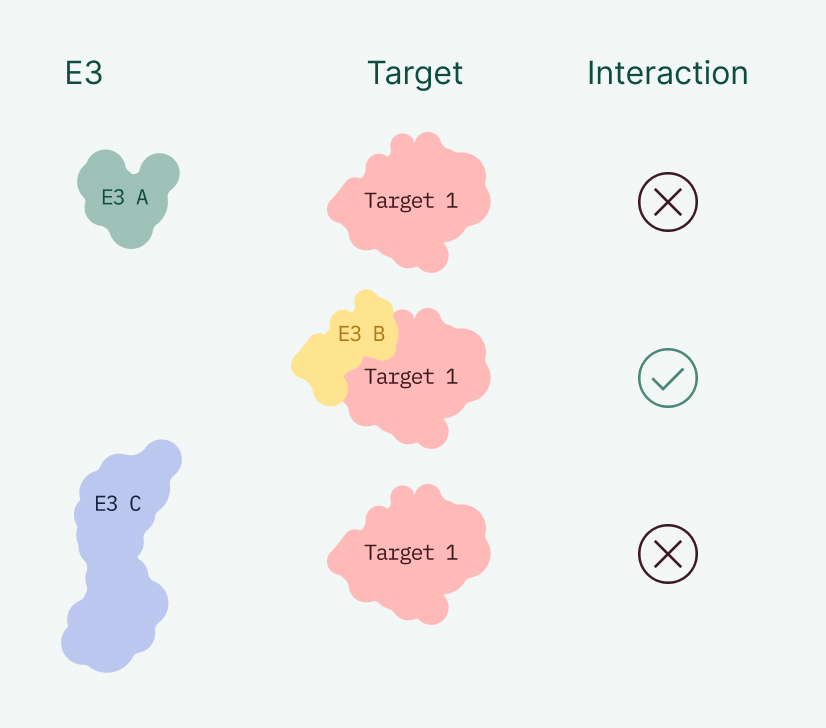
Proteomics & biomarkers: Quantitative feedback for mechanism and optimization